Creation by Subtraction: What We See is Shaped by What we don’t
by Ven Loetz
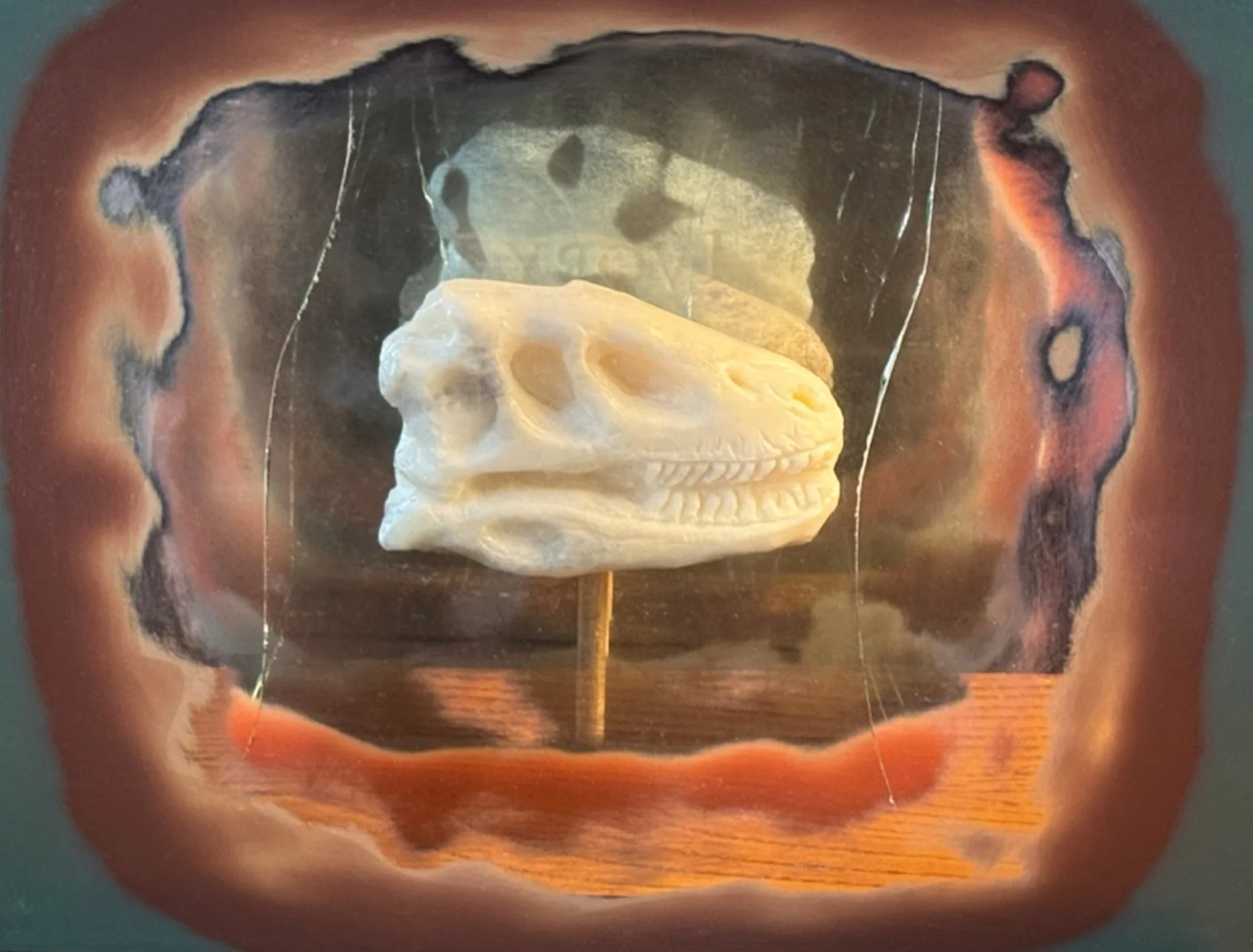
When an artist creates a work by subtractive techniques, they don’t make the sculpture itself; they remove that which is not the sculpture. In other words, they sculpt negative space in order to define the boundaries of the final piece. What an artist chooses to remove from a block of marble, piece of wood, or (in my case) a bar of soap may be quite different from what another artist would remove. Let’s imagine a large block of marble and a group of artists sizing it up. Each is envisioning the potential shape that could be hidden inside and how and where they would chisel out the rock surrounding it. One artist envisions a beautiful Grecian goddess. Another is thinking of a large geometric shape, very minimalist and modern. Perhaps a third artist is seeing an architectural ornament, and a fourth artist sees a horse and so on. They are all looking at the same material, but they would have to remove different parts of it to expose the form inside.
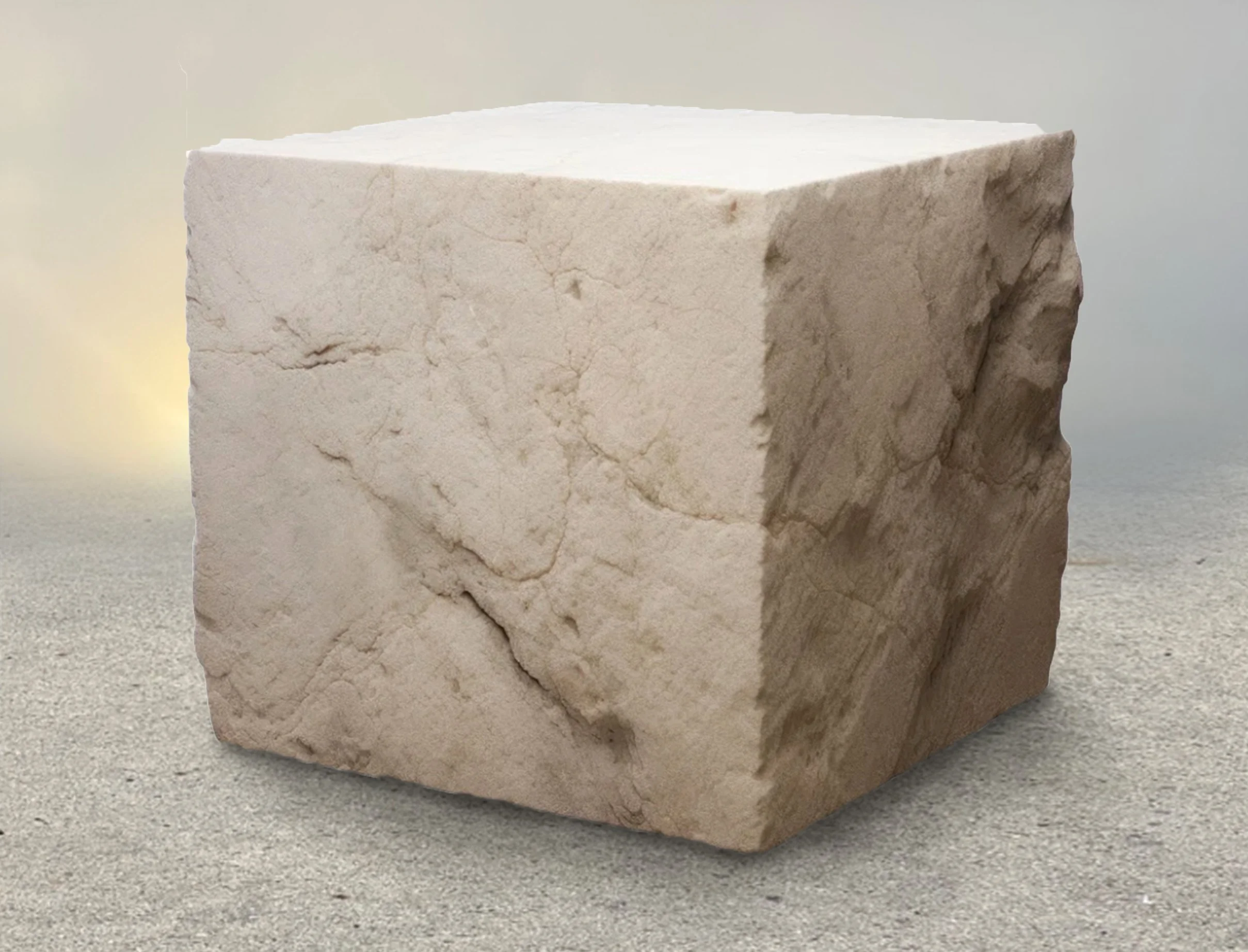
Now let’s imagine a multiverse situation in which each artist is able to take that same block of stone, sculpt out the extraneous material, and see their vision to completion. Now we have multiple different sculptures overlayed in different simultaneous realities. Each of those sculptures is a 3-dimensional object that can be viewed from any number of angles and will look different from any given vantage point.
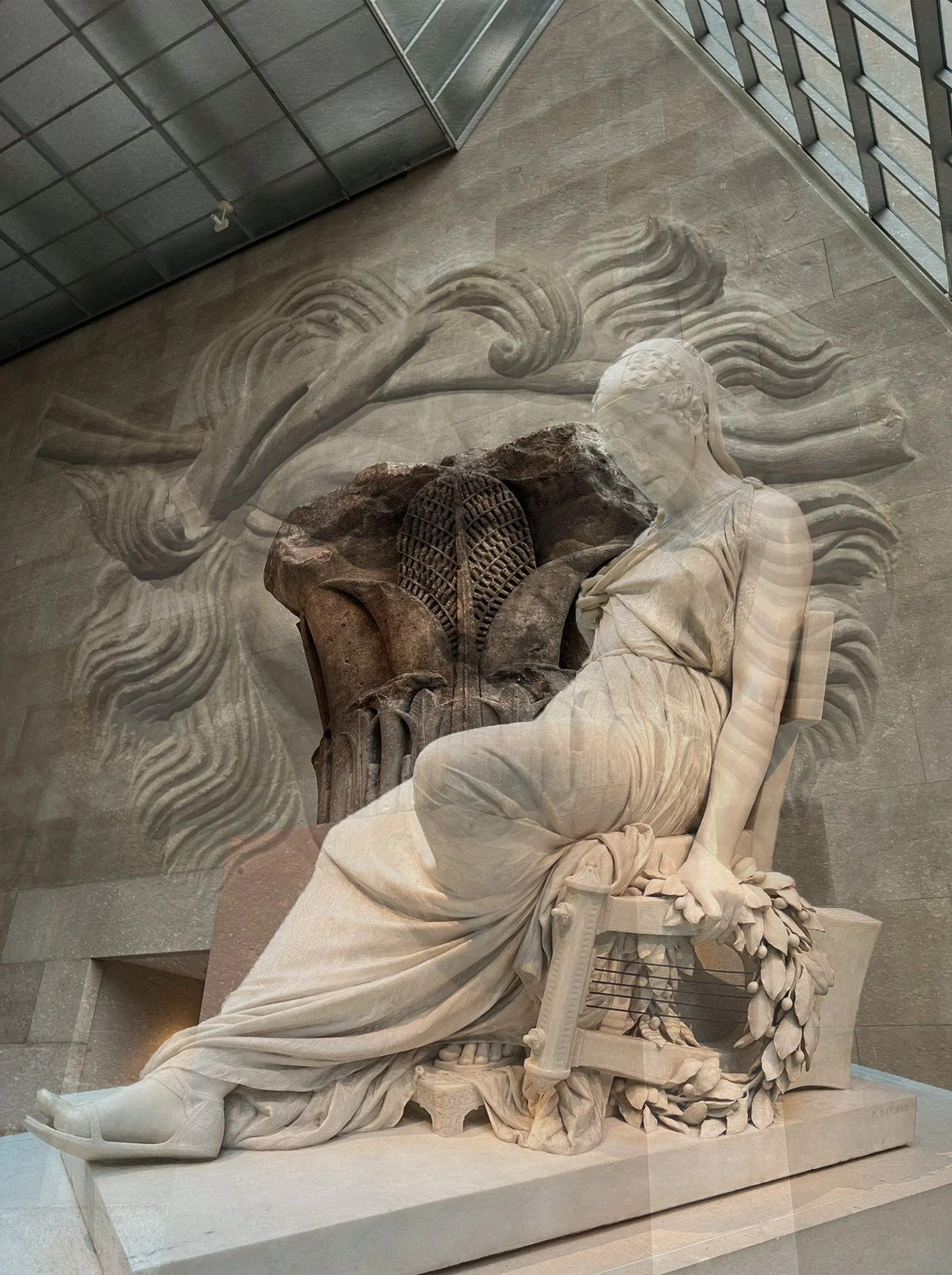
Marble sculptures at the Metropolitan Museum of Art
Is any of these sculptures the “real” one? Or are they all valid interpretations of the same stone block? Is any particular vantage point a privileged view of the entire object? What if we turn off the lights and can only interpret it by touch? How much of it can we touch at one time and how do we reconstruct it in our mind’s eye? And, perhaps most importantly, what ends up in the waste pile and do we need to ignore that material because it is “not” part of the final piece?
Now let’s bring the idea into scientific research. Science needs to reduce variables, simplifying until a single cause is isolated. In the process, much has to be removed. In the process of fossil preparation, skilled preparators must do something between science and art. They must remove the rock matrix surrounding the fossil in order to reveal as much information about the organism as possible. The problem, however, is that the surrounding rock matrix is made up of the environmental material the organism lived and died within. The rock matrix is a record of its lived context. Remove too much and you will lose valuable information about where the organism lived, how it died, and the ecosystem it belonged to.
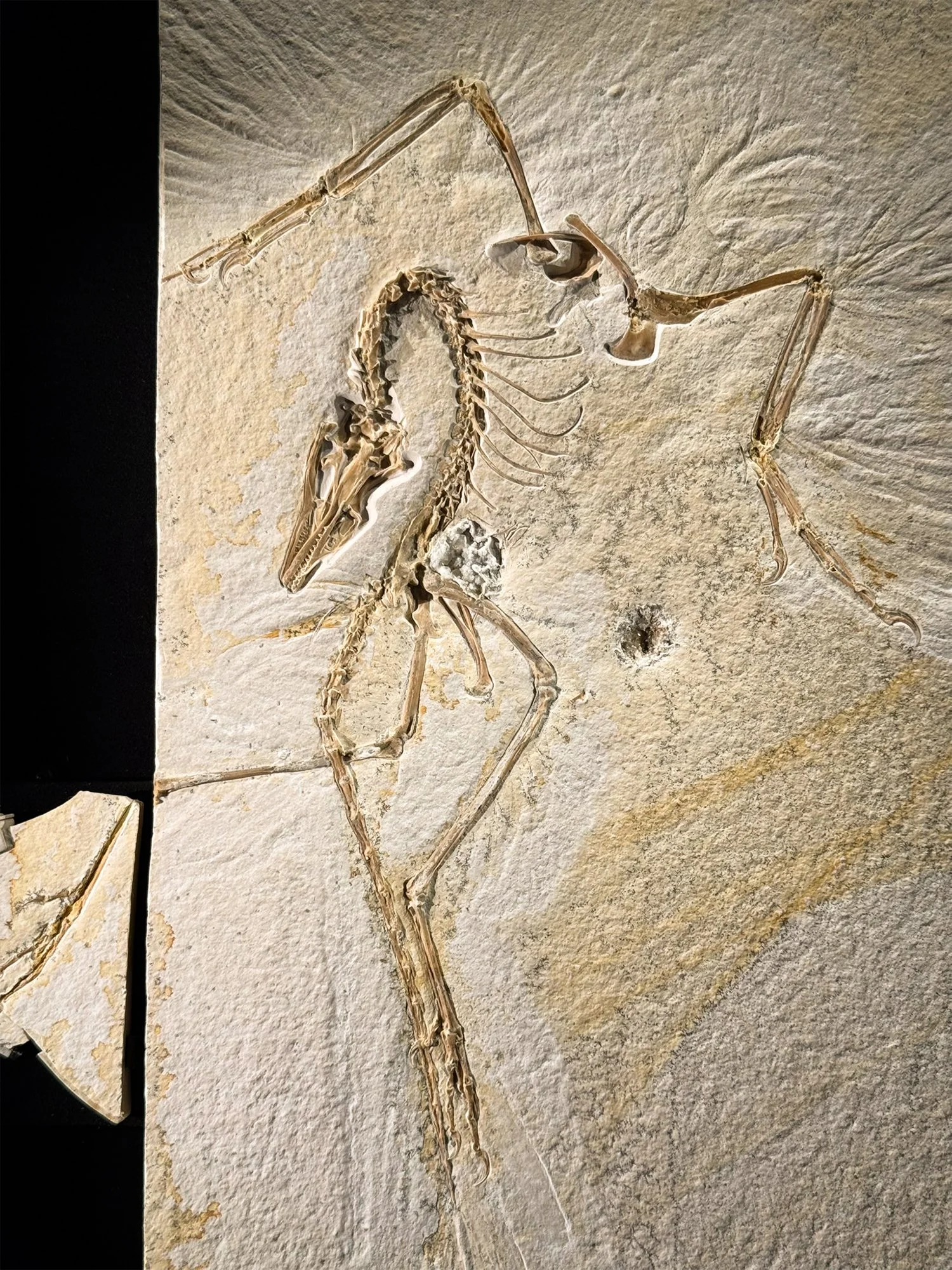
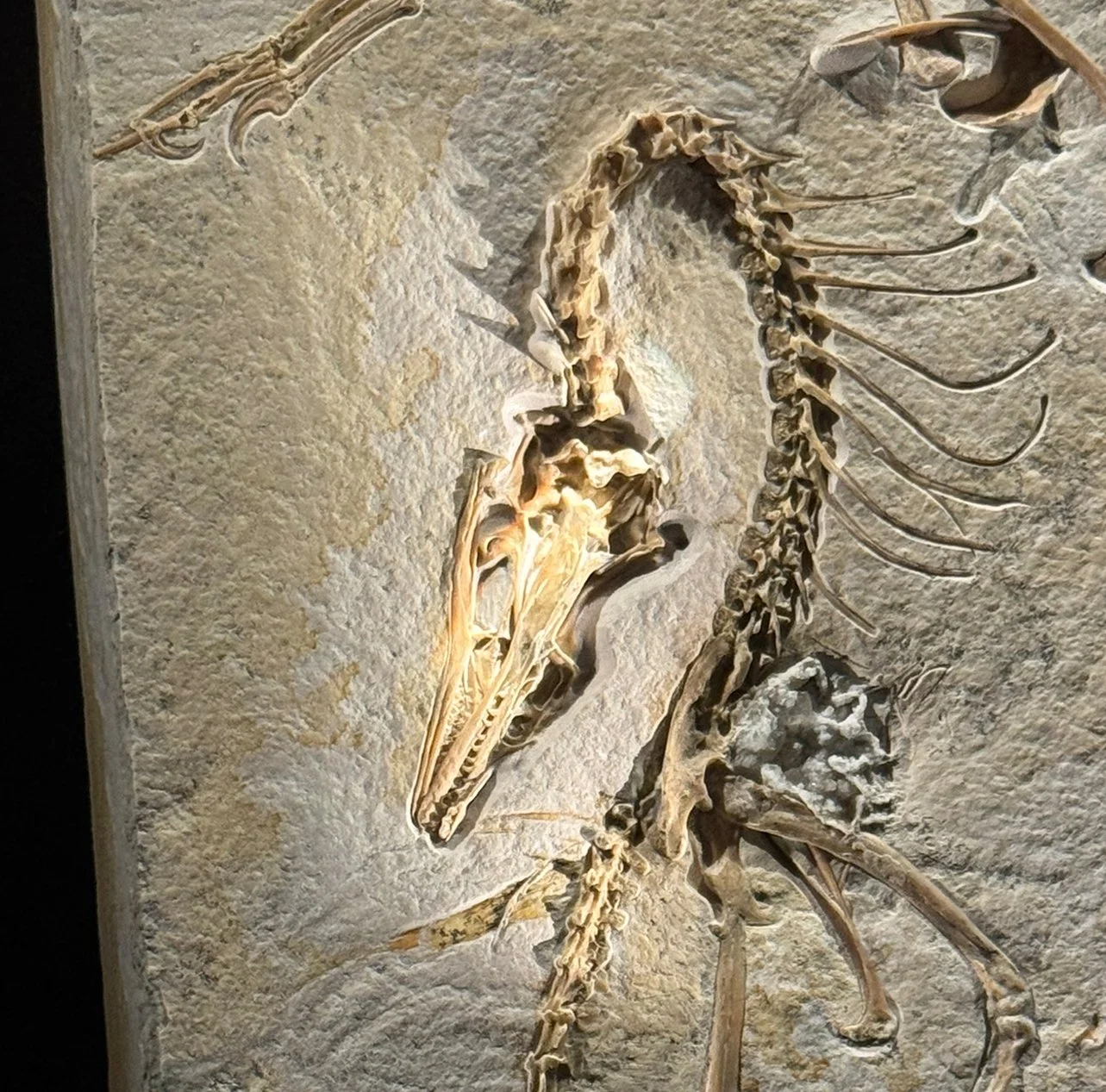
Chicago’s Field Museum is home to an archaeopteryx fossil that required an estimated 1,300-1,600 hours of work by expert preparators, Akiko Shinya and Constance Van Beek to reveal the most complete specimen of this rare bird relative from 150 million years ago. They used scanning, 3D modeling, and imaging with UV light to identify the boundaries of mineralized soft tissue and intricate details like feather impressions as they painstakingly removed the surrounding rock from the animal. What is left is a sculpture made by nature and revealed by human hands. The delicate process was worth the time and effort to achieve a perfect balance of information revealed with minimal loss of its context.
Now let’s think of something like the US healthcare system. It’s massive, sprawling, and is made up of systems of interdependent systems. There are hospitals, clinics, labs, research facilities, pharmaceutical companies, warehouses, equipment manufacturers, ambulance drivers, nurses, doctors, surgeons, specialists, therapists, cleaning and maintenance crews, food service, imaging technicians, insurance companies, electronic health records, support lines, IT staff, developers and programmers, government regulators, politicians, marketing and advertising teams, and (of course) patients and their families. Is any one of these the “real” healthcare system?
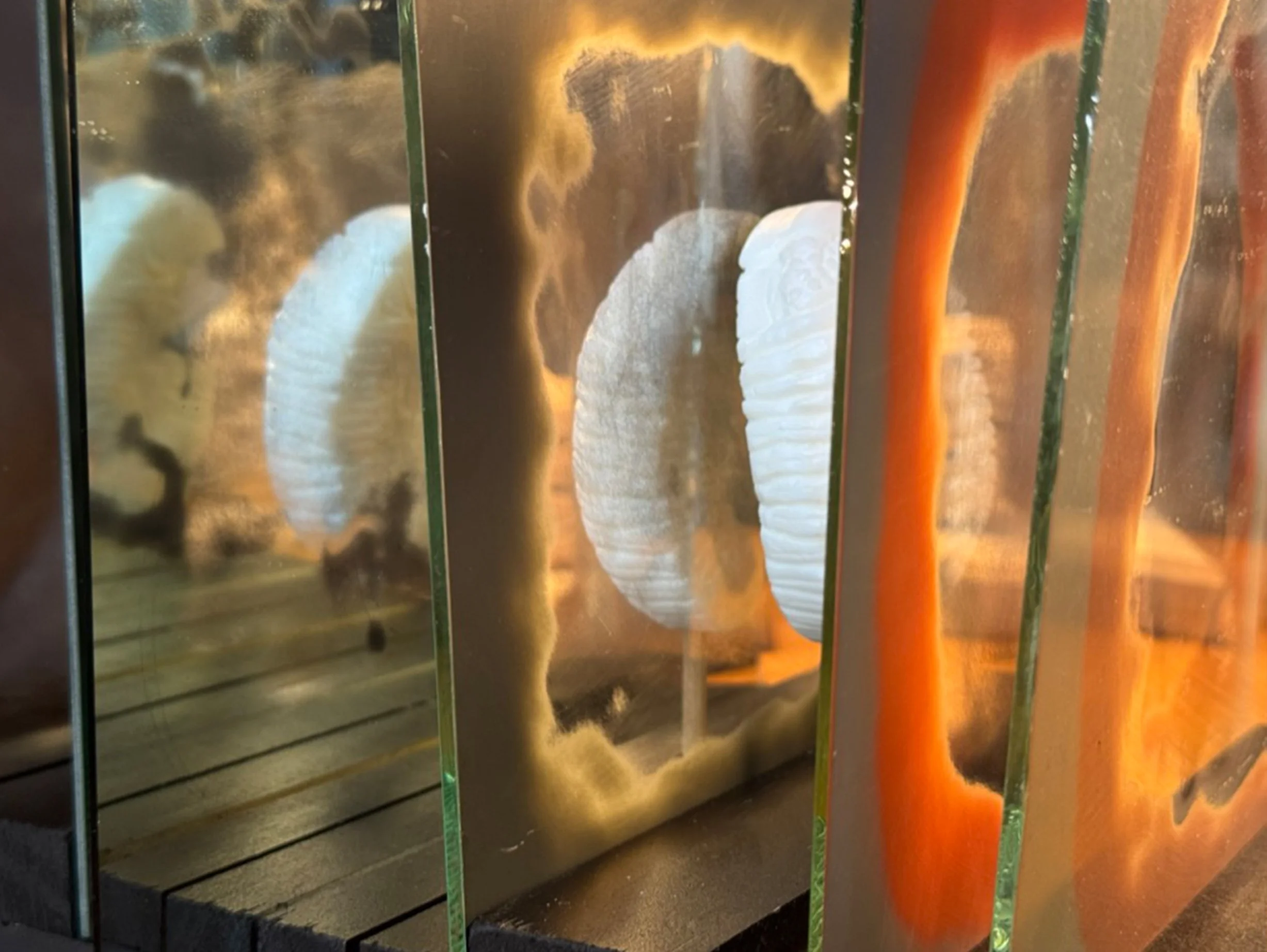
The healthcare system will look different depending on which perspective you are viewing it from and which material you set aside in order to focus on your particular view. What material ends up on the waste pile will also look different for each of the above perspectives as will what is hidden from view since it cannot simultaneously be seen from all sides.
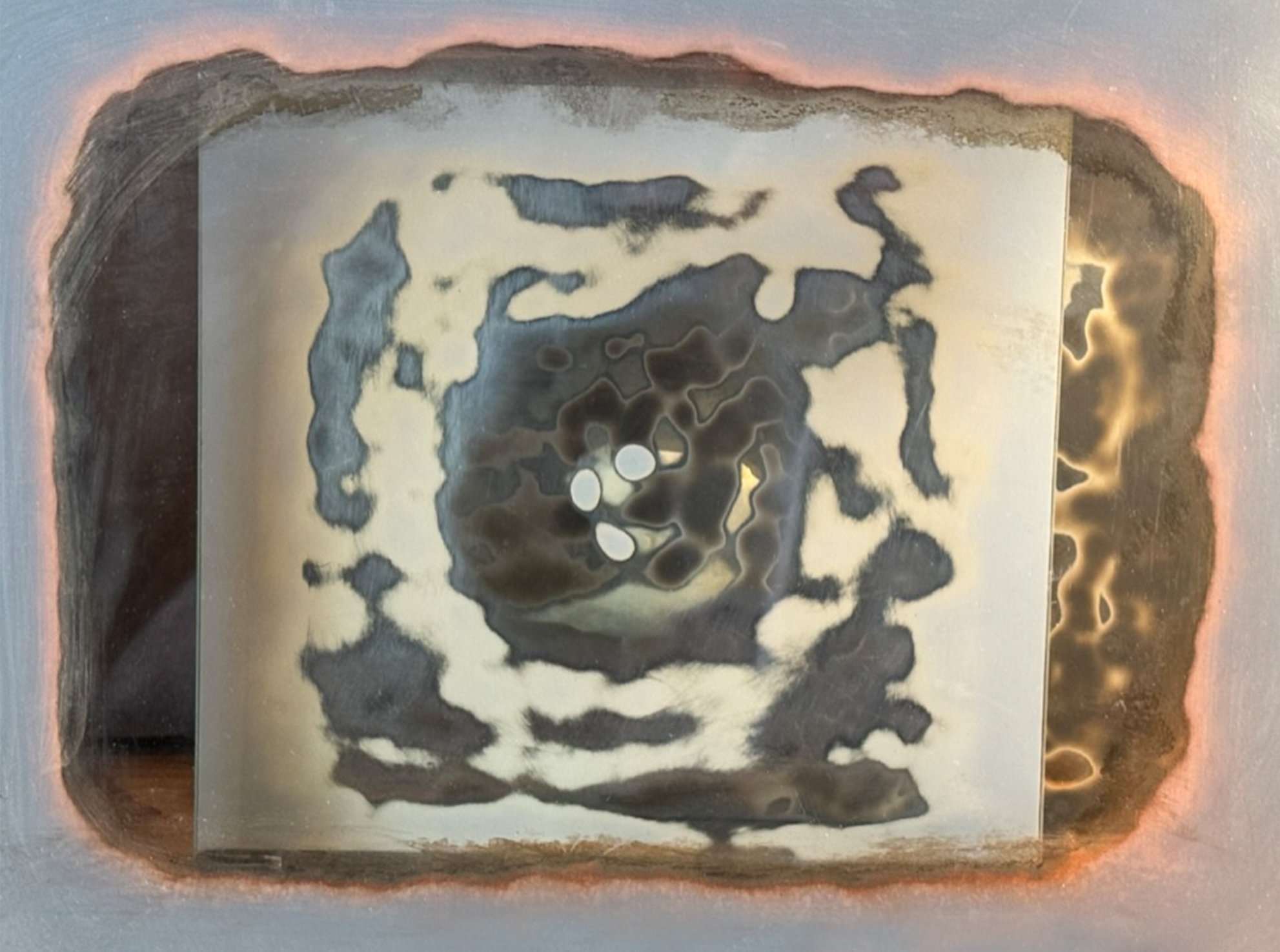
Adding to the complexity of this situation is that it is a system built around the maintenance of human bodies which are not carved or preserved in stone, but a flurry of organic activity.
Let’s imagine ten different doctors looking at the same patient. A liver specialist will look at a patient’s concerns differently than a rheumatologist. A cardiologist will interpret a patient’s symptoms one way while a neurologist might see things very differently. The same person is standing there for examination, but there are any number of ways to “see” what is going on inside of them. What each specialist “sees” in not entirely based on what is there but is also based on which information they choose to carve out of the picture.
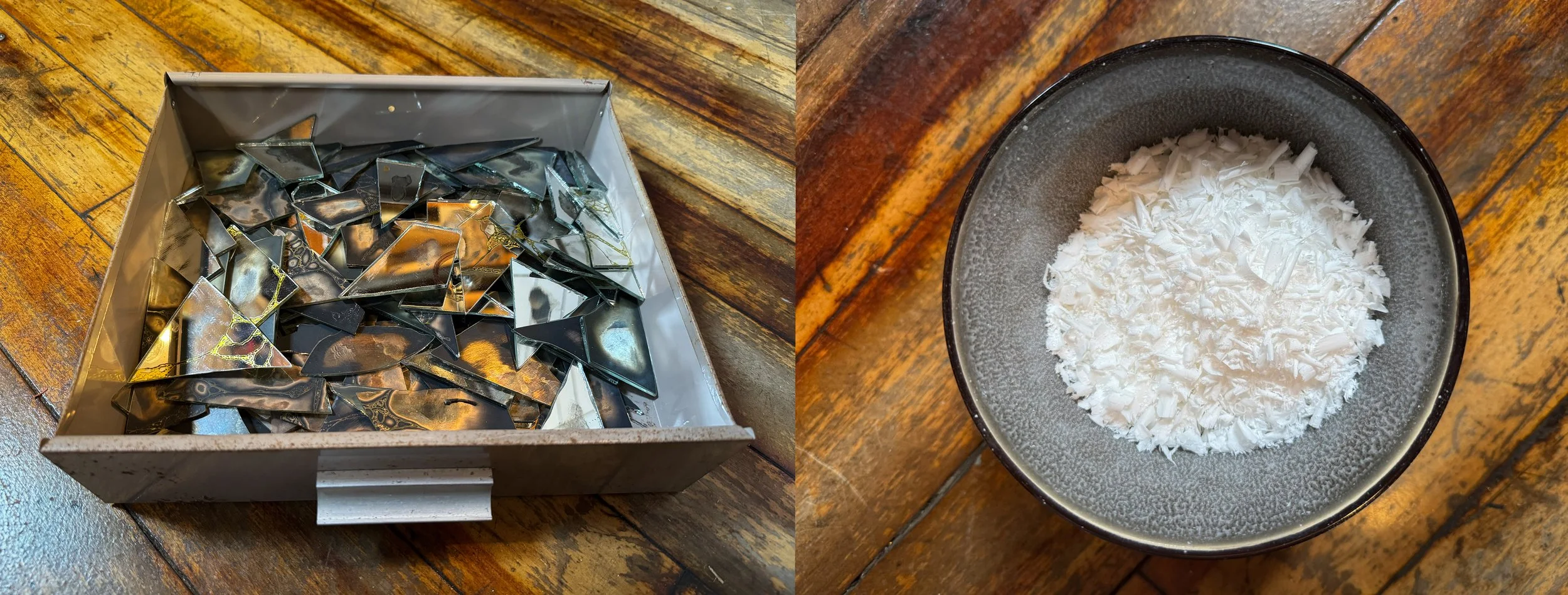
A drawer full of mirror shards and a bowl full of soap shavings
In a 2019 article in Frontiers in Physiology, Noble et al. argued that there is no privileged level of causation and that it can be difficult to define boundaries between the major systems. They asked “But where are such boundaries of the great systems of the body, the immune, nervous, circulatory, digestive, respiratory, reproductive, and hormonal systems? Merely to ask the question shows that the answer is not obvious. Anatomy is not necessarily the best basis for defining a functional boundary.” They described that while cells have membranes and organs have anatomical shapes, those boundaries are the site of constant change and exchange with their surroundings. It’s a dense and active contextual matrix. To study it scientifically, it’s necessary to isolate components and draw boundaries, but how can this be accomplished in a living organism? What does one lens reveal and what does it simultaneously obscure?
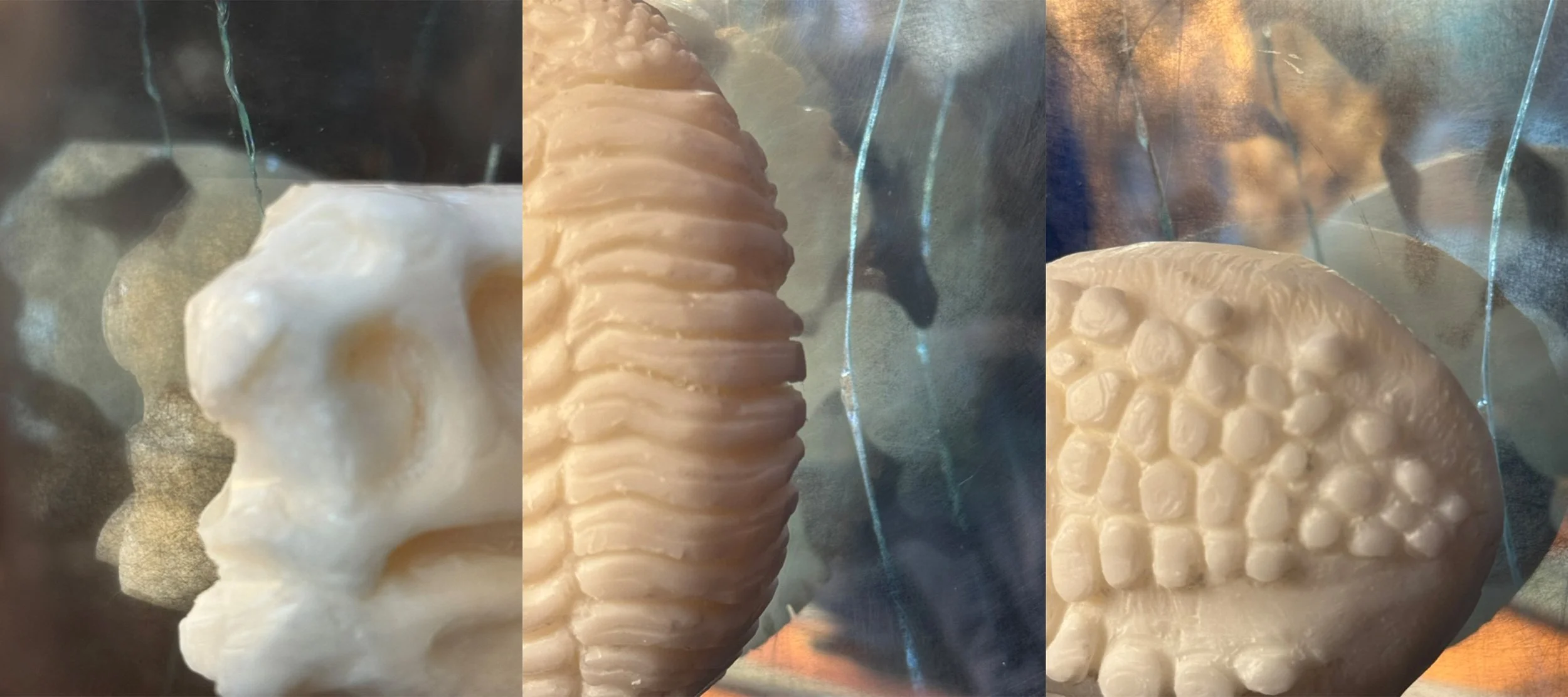
Sometimes the thousand-foot view does not provide the answers we’re looking for and often it’s just as incomprehensible as the extreme close-up. Sometimes the thing we think we are objectively measuring turns out to be a distorted reflection of a reflection of the researcher, complete with the lens they are documenting it through.
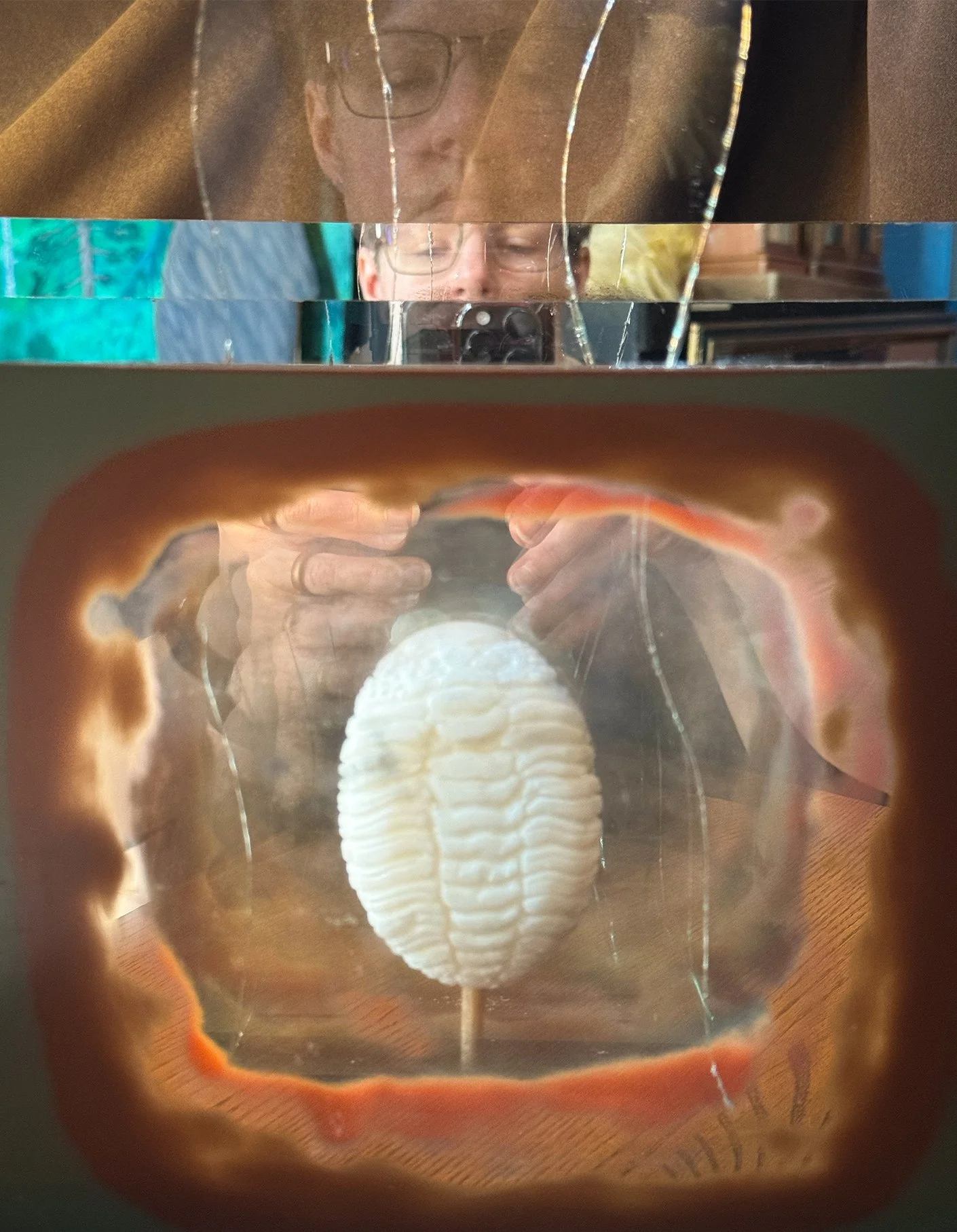
Is alternative medicine any better? Sometimes an ancient, all-natural “truth” turns out to be just another carefully crafted product placement. What if our idea of health is deeply unnatural? Philosopher Havi Carel who wrote Phenomenology of Illness proposed viewing illness as a philosophical tool.
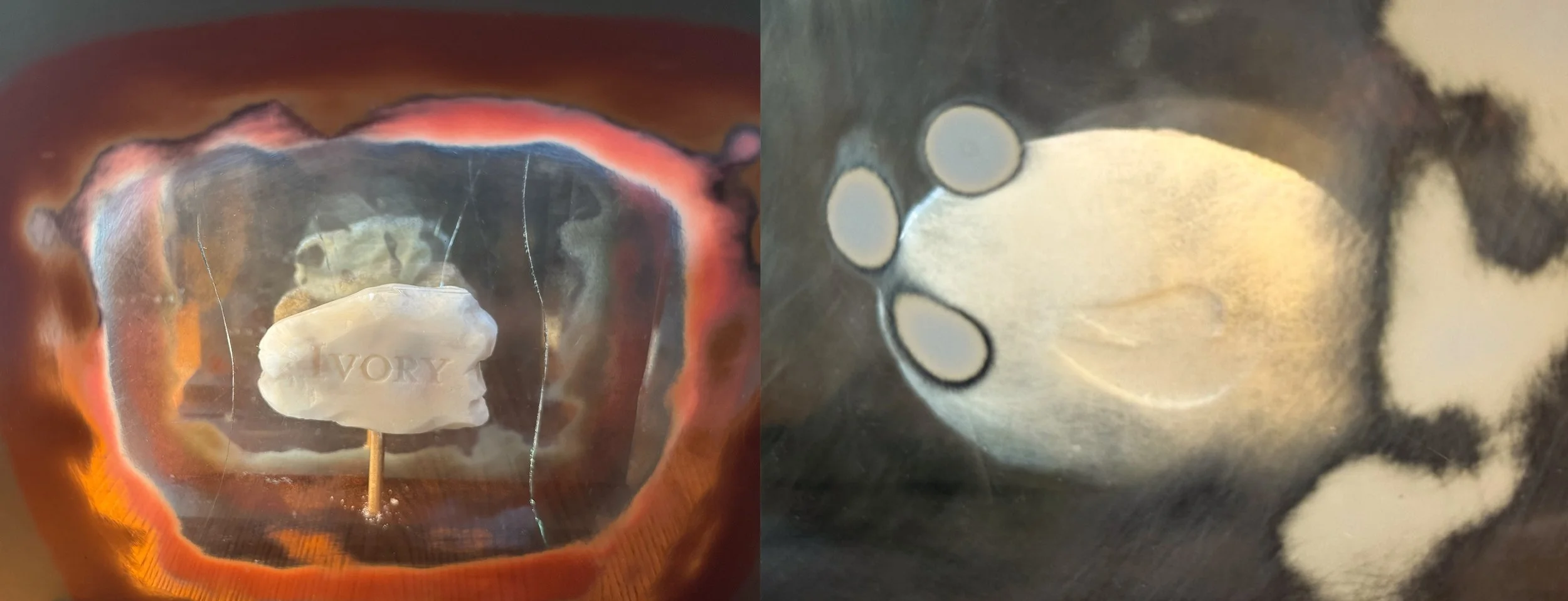
So what did Noble et al. mean by the idea that there’s no privileged level of causation? The “levels” they were referring to are scalar levels; the molecular level of DNA, proteins, the cellular level, tissue level, organs, and the complete organism. Each of these levels has a boundary, but those boundaries are permeable and are the site of much activity and change. And the phrase “no privileged level of causation” refers to the reality that these levels all influence each other reciprocally, simultaneously, and constantly across the lifespan of the organism. The article further references (but does not elaborate) the influence of higher levels above that of the human organism; interpersonal, environmental, and societal influences. If we think again of the specialist examining the patient, those boundaries need to be drawn to diagnose and treat symptoms. But any given treatment will undoubtably impact the parts that have been eliminated from the picture. The boundaries allow us to take meaningful action and assign causality, but in reality, the causal relationships are not linear, but circular.
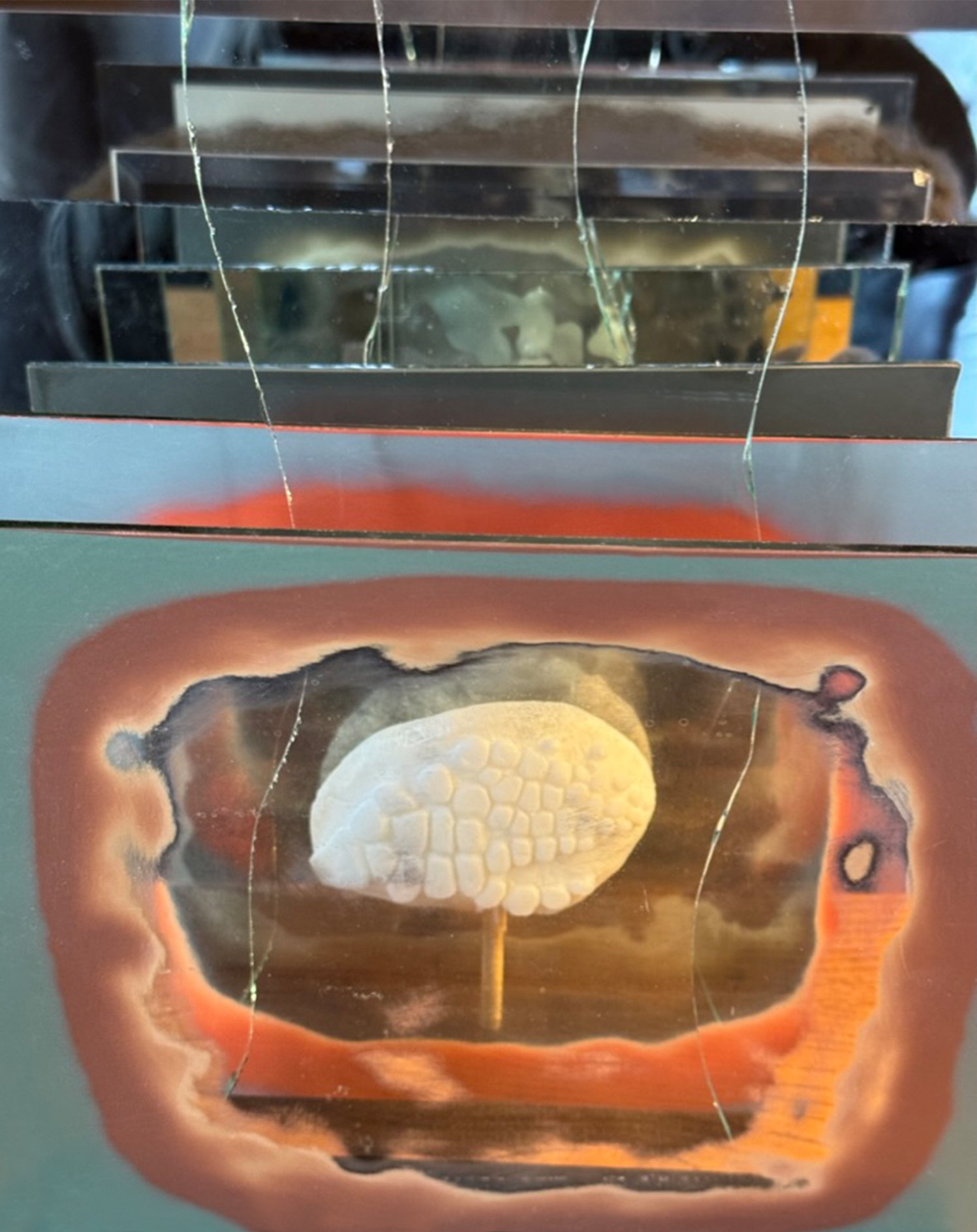
If we now return the original analogy of the sculpture, the molecules making up the marble block are the result of millions of years of sediment turning into sedimentary rock. The sedimentary rock is typically limestone made from shell fragments and skeletal remains of ancient sea life. It then succumbs to pressure, heat, and recrystallization. The block of marble then is the result of organisms living and dying under specific conditions that allow the longest of time frames to turn their comparatively short lives into something more permanent. The stone was built molecule by molecule by living organisms and their processes. The results were then shaped by unfathomable amounts of time. The process of sculpting by human hands takes that time-made material and reduces it in a mere geological instant. The human decision of what to keep and what to chisel away is an act of downward causation, drawing boundaries on molecular records that have withstood eons. The marble dust, if not controlled, enters the lungs of quarry workers and artisans. The surface of the marble, if unprotected, is subject to weathering by microbes or acids in the rain. The processes impact one another; the sculptor chisels the shape and discards the waste, while the microscopic waste enters the sculptor’s lungs and interacts at a cellular level within the body’s systems. Organisms made the marble and organisms break it down. This is circular causation. It is the interaction of ongoing processes at varying scales of time and varying scales of size. Even with something set in stone, the processes of life continue to shape and reshape, to build up from lower levels and break down from higher ones. To break down the lungs with molecular dust, to reduce the sculpture with microbes and their relentless metabolisms.
As we return to the healthcare system and the systems of the body that it endeavors to treat, how the boundaries are drawn and interpreted and by whom matter immensely. How these system levels and their interactions are experienced on the level of human cognition and emotion may get lost in the waste pile depending who’s doing the sculpting. A living human who has resulted from an ongoing molecular story dating back to the Precambrian and the Last Universal Common Ancestor (LUCA) can be reduced in a moment to a metric on a chart, a diagnostic label, a dollar amount for an insurance provider or pharmaceutical company.
While the example of subtractive sculpture was presented as metaphor, if taken far enough, it becomes more than that. It becomes literal biology. Nothing on this planet is separate from the systems and processes that make and remake it. In this way, natural history is personal history and on a large enough time frame, and across scalar dimensions, “biology is its own metaphor” (Big Biology Podcast, Ep 119).
References
Big Biology Podcast ep #119. “Biology as its own metaphor”, April 4, 2024, https://www.bigbiology.org/episodes/2024/4/4/ep-119-biology-as-its-own-metaphor-with-phil-ball
Chicago Field Museum website “Meet the Chicago Archaeopteryx”, https://www.fieldmuseum.org/exhibition/halls-and-galleries/meet-the-chicago-archaeopteryx
Carel, H. (2018). Phenomenology of Illness. Oxford University Press.
Noble, R., Tasaki, K., Noble, P. J., & Noble, D. (2019). Biological relativity requires circular causality but not symmetry of causation: So, where, what and when are the boundaries? Frontiers in Physiology, 10, 827. DOI: 10.3389/fphys.2019.00827