Structural Color Part II: This is Not a Dress
Unraveling the threads of disambiguation.
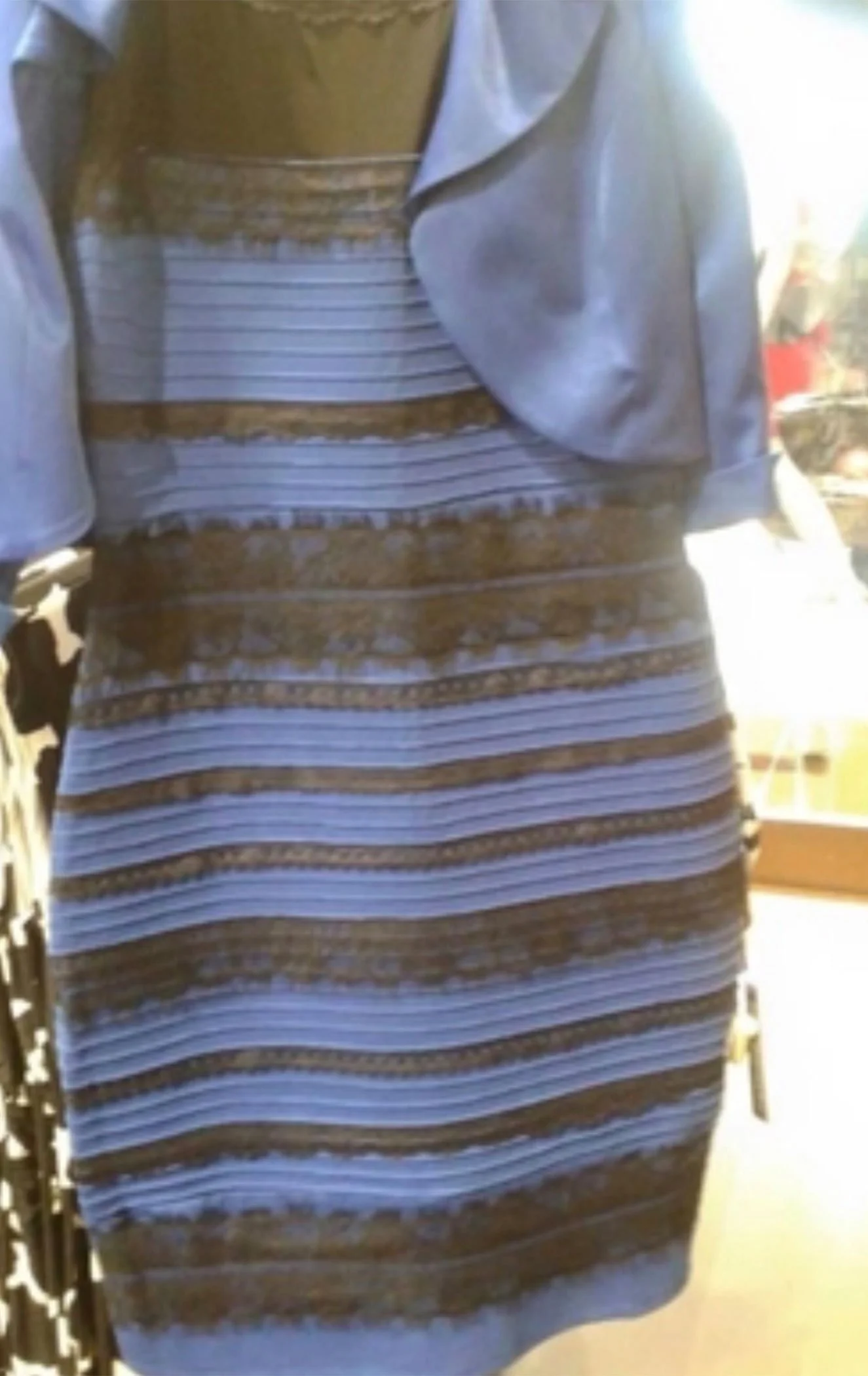
Original photo taken by Cecilia Bleasdale in 2015
In February of 2015, I remember seeing the viral image “the dress” on social media and feeling slightly confused. The only two options for “what colors are this dress?” were “white and gold” or “blue and black”. What I saw, however, was not really either of those options. What I saw then and what I still see to this day is a washed-out medium blueish grey and a brassy shade of brown. To me it just looks like a poorly lit and poorly cropped photo.
As “the dress” went viral and various experts and commentators weighed in, no one mentioned seeing the photo the way that I do. As the viral topic faded from public interest, I remember finding the whole thing slightly uncomfortable and thoroughly unresolved. None of the popular explanations included my perspective. It was a loose thread I didn’t even know how to pull.
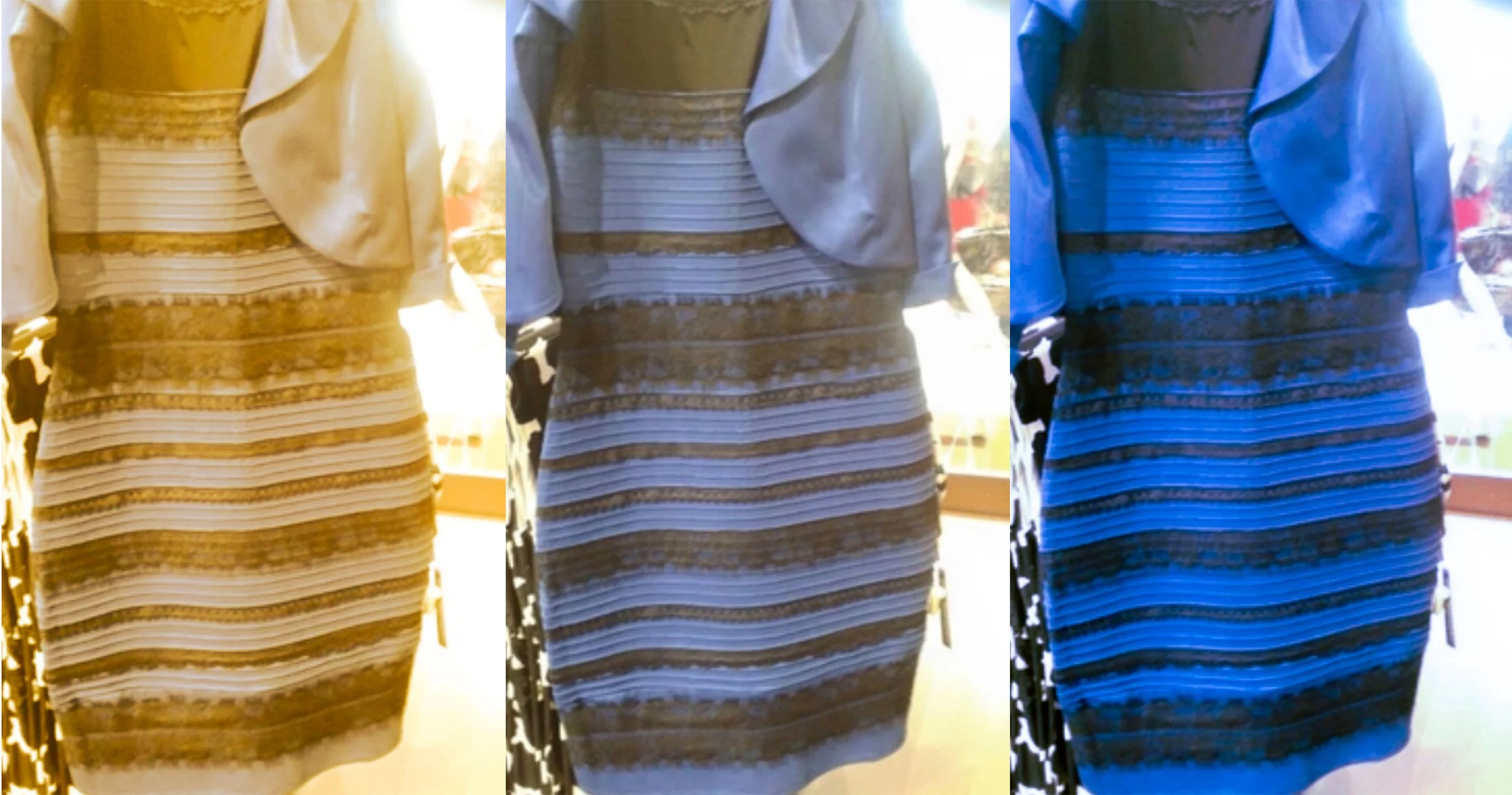
Color adjustments showing what I think others might be seeing with the original image in the middle for comparison. In reality, I have no idea what colors you see when you look at this.
Years later, I listened to a 2-part episode of the You Are Not So Smart podcast where host David McRaney interviewed neuroscientist Pascal Wallisch about the dress and why the photo seemed to create an optical illusion. Wallisch had collected some data on people’s responses to the dress and then went on to create his own illusion using crocs and socks photographed under colored lighting. His theory for the different colored views was abbreviated “SURF PAD” theory. It stood for “substantial uncertainty with ramified or forked priors or assumptions will result in disagreement.” The theory is that if an image is ambiguous enough, the lighting conditions that people are most accustomed to will result in instant color correction in the brain. People who spend most of their time in artificial lighting will “correct” the dress to black and blue while those who spend more time in natural daylight will correct to white and gold. This explanation made good sense, but I still wasn’t seeing myself represented in it. The thread continued to dangle frustratingly just out of reach.
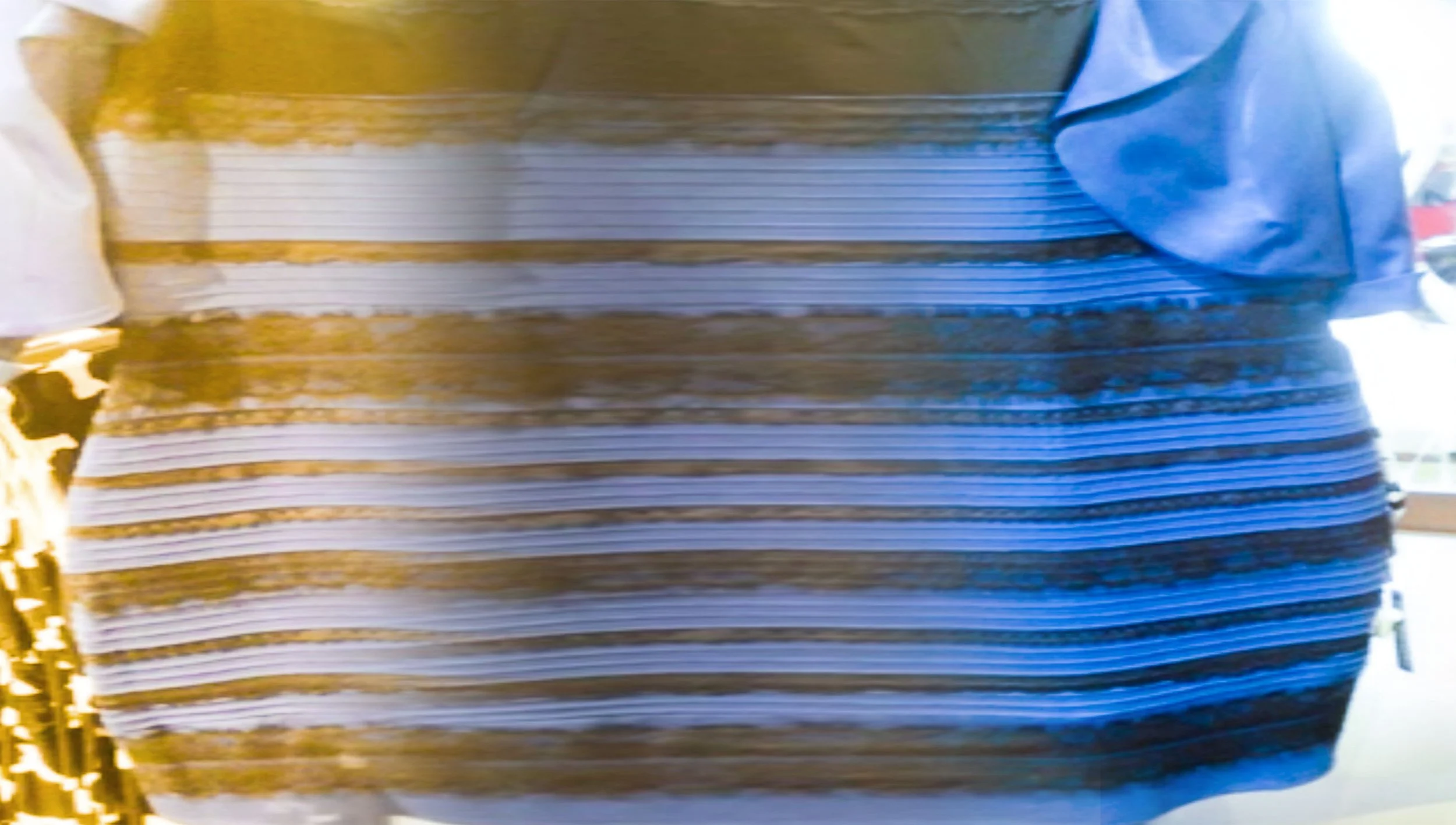
My own interpretation of the dress morphing from one assumption to another.
Then, in a more recent episode (MacRaney, 2026) featuring Willa Paskin, McRaney and Wallisch provided further insight into the phenomenon. In this episode, Wallisch described other results he’d found in his research (Wallisch, 2017): some people flipped back forth between seeing “white and gold” or “blue and black” while 8.8% of respondents saw “blue and gold”. This last one is interesting because it’s the closest description to what I see. In the podcast, Wallisch casually added that the respondents who see “blue and gold” overwhelmingly identified themselves as photographers.
In real life, the physical dress is royal blue with black details. But the photo is not the dress. The photo is an abstract representation of the dress. When the pixels are isolated and removed from the context of the image, the colors are a medium greyish blue and a shade of brown. In other words, I see the colors of the photo as they actually are.
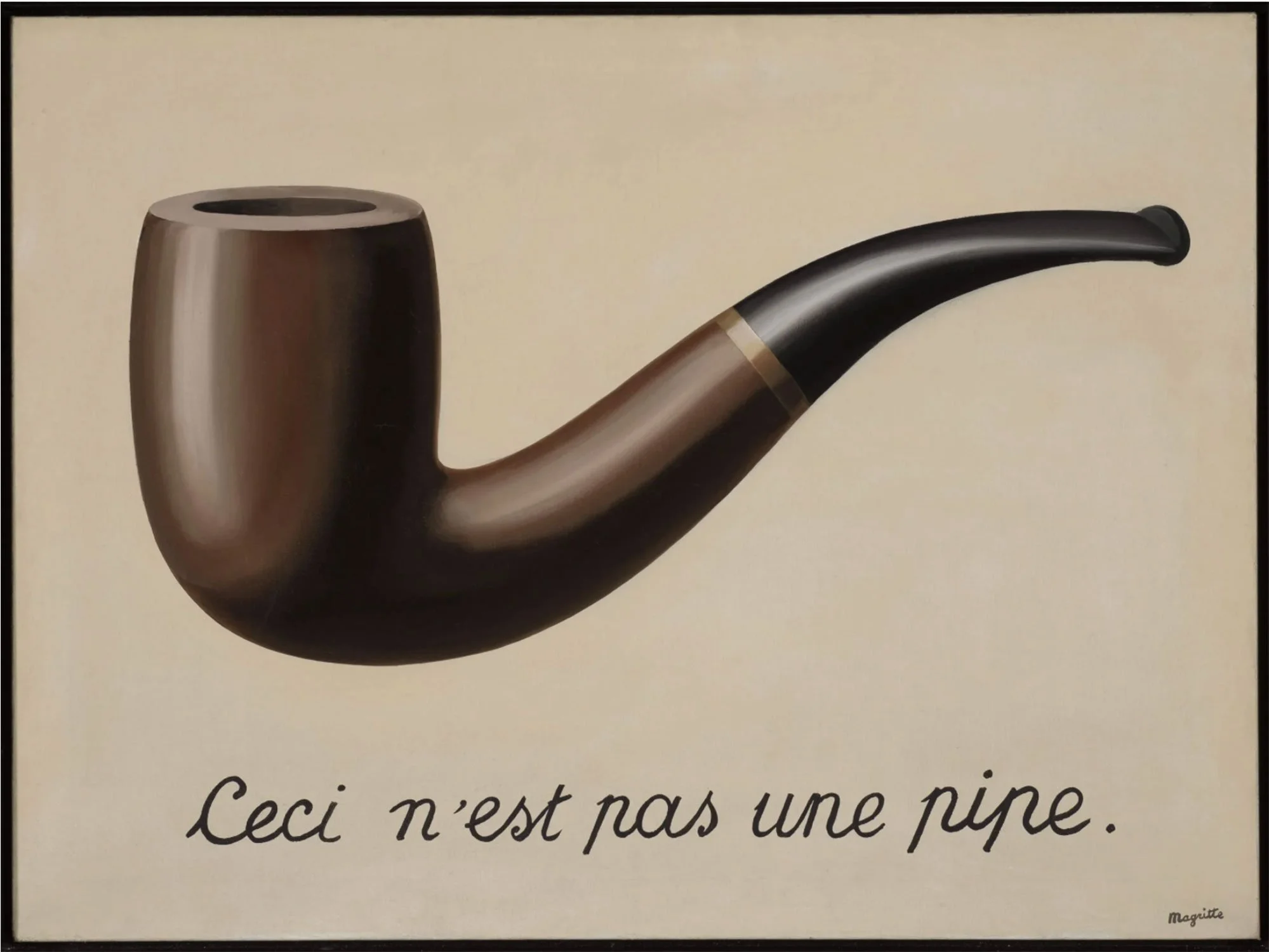
La Trahison des Images (Ceci n’est pas une pipe), The Treachery of Images (This is not a pipe) –Rene Magritte, 1929, Los Angeles County Museum of Art
Is “The Dress” a treacherous image or is the treachery in our own minds? Wallisch described the unconscious process of color correcting the image as “disambiguation”. An ambiguous stimulus creates a level of discomfort that leads the mind to use its prior experiences to disambiguate it and place it into a more clearly defined category. We cannot act on ambiguous information. In the case of the dress, why am I (along with a cohort of photographers) comfortable with the photo in its ambiguous state? Why is my internal color correction dialed down or turned off?
Now that I can pull some threads, the whole dress unravels.
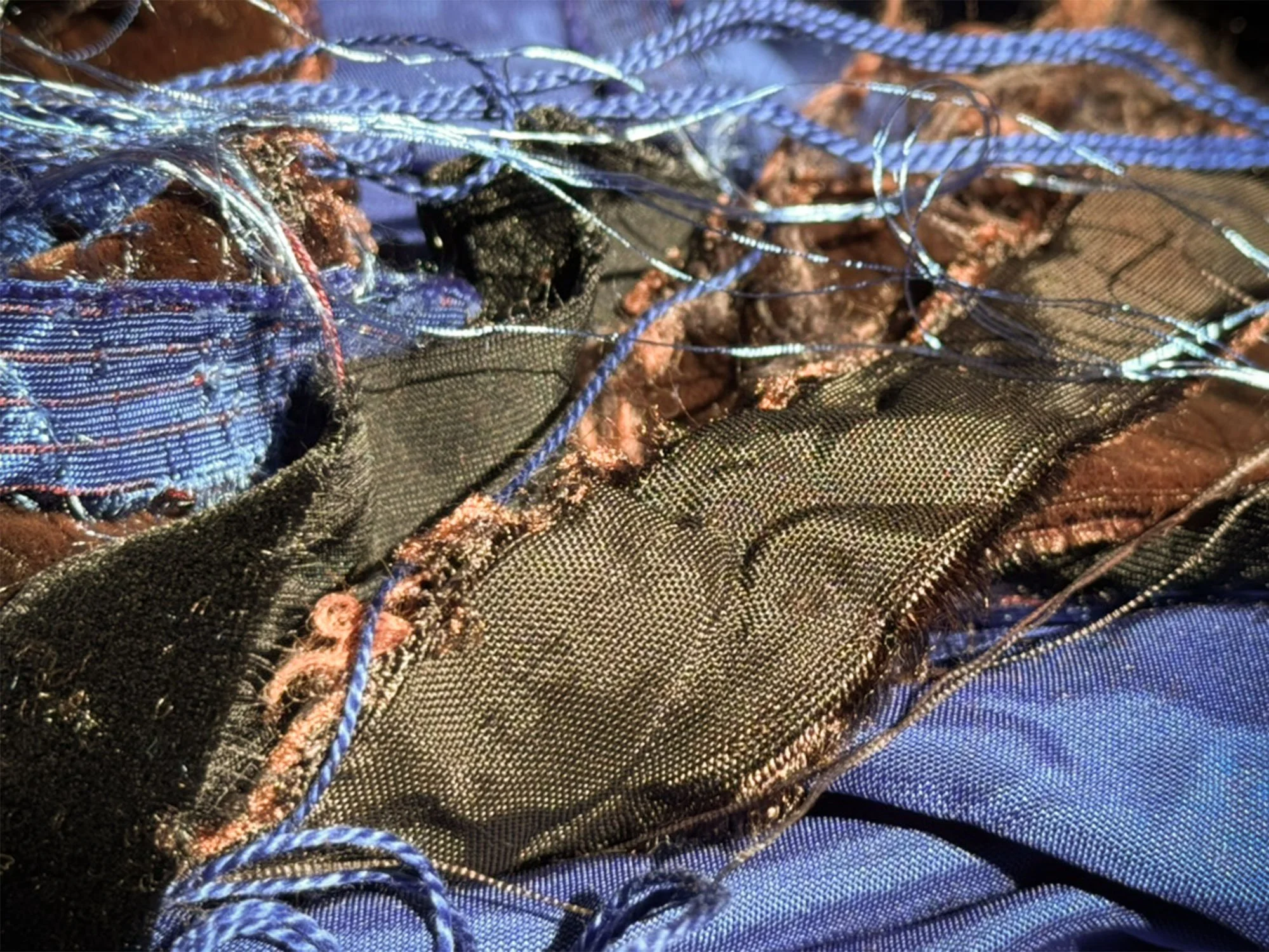
Wallisch’s interpretation points to “larks” (morning people) and “owls” (night people). For much of my life, I’ve been someone who goes to bed between 9:30-10:30pm, wakes up in the early hours to pee, stays awake for a while, and then goes back to sleep until 6 am or so. Am I seeing the ambiguity because I’m not a true lark or a true owl?
And what about the photographers? As someone who’s always had a deep love of color and has been drawing and painting from early childhood, perhaps I’ve just trained the color correction out of myself. This would also make sense for photographers who need to work with nuanced lighting conditions and spend hours upon hours making corrections in photo editing software.
Or, conversely, maybe I chose visual arts at an early age because my color perception is naturally richly nuanced. Maybe I love color so much because I was born without that autocorrect feature.
Or is it some combination of all of these things?
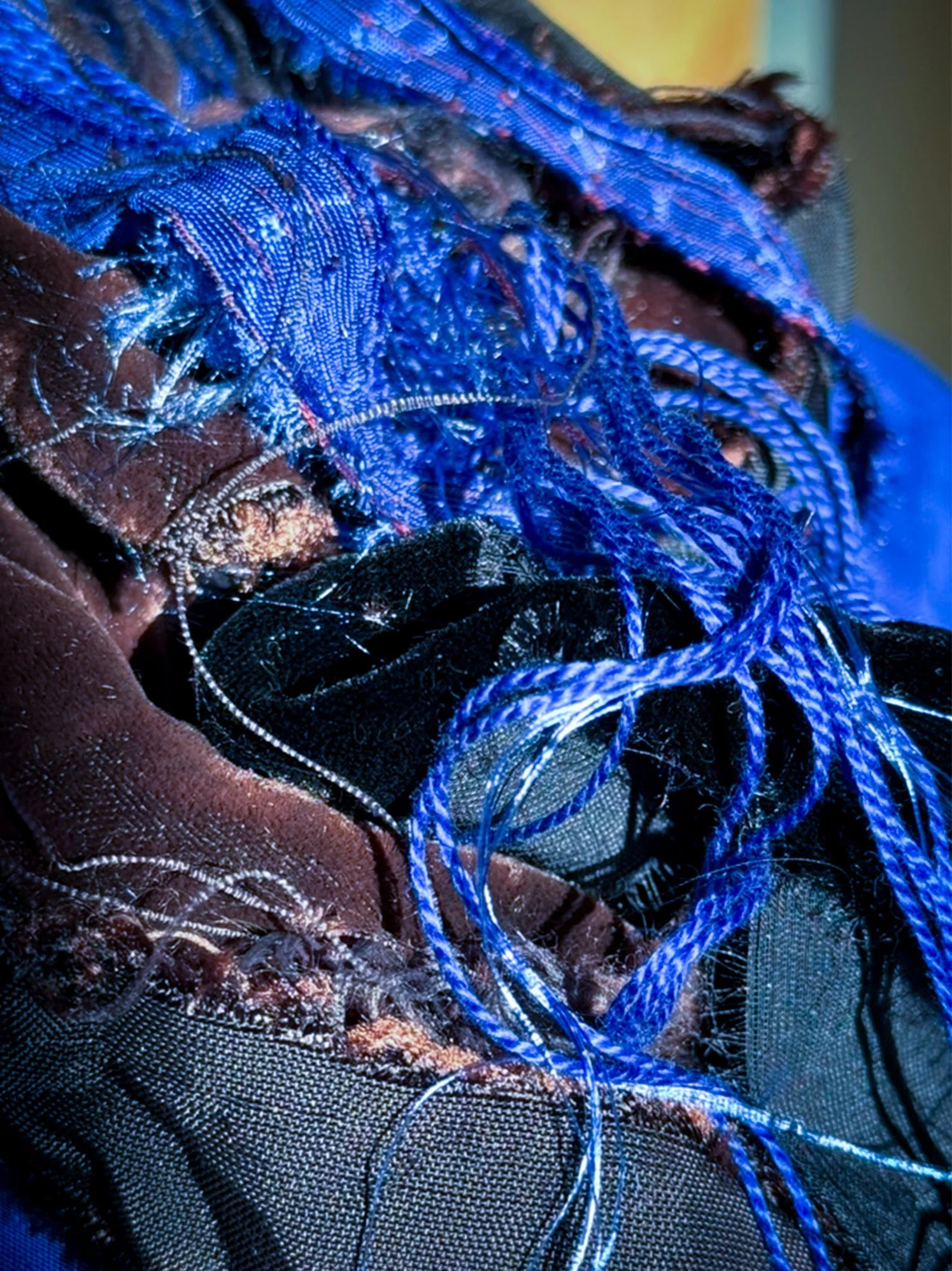
Conversely, I wonder what percentage of the population looks at my art and unconsciously color “corrects” it. Knowing that I’m seeing the world and reproducing it in a qualitatively rich pallet only to have it disambiguated by roughly 91% of viewers feels deeply disheartening, like my work is destined to be misinterpreted. The other times I’ve pondered this question were more specific: I have a painter friend with a form of color blindness, and I’ve long understood that I see his paintings differently from how he creates them and he sees mine differently from how I intend. But that’s specific to one person. The disambiguation phenomenon seems far more universal. And just because I’m not disambiguating color to the same extent other people are, doesn’t mean I’m not unconsciously correcting other ambiguous sensory input. I’m notorious for perceiving fantom smells or hearing “radios” that aren’t actually on (they usually turn out to be white noise from a faucet or a furnace).
If all of us are disambiguating all the time, is there any such thing as an objective observer? To some extent, our perceptions shape our experiences, and our experiences shape our perceptions and then continuously reinforce bias across the lifespan.

This is not limited to how our brains reconstruct our environment from sensory input but also goes down to a physiological level. Examples include the placebo and nocebo effects:
The placebo effect is the more well-known of the two phenomena; this is the positive health benefits that come from engaging in the ritual of taking medicine or receiving care. Placebo is often viewed as a nuisance in medical research, as something that needs to be controlled for and ruled out. This is not without good reason of course. Placebo treatments cause a real effect, but the effect is limited in its ability to address serious underlying conditions. Placebo is the body’s way of anticipating and supporting treatment and healing. The body releases healing or pain-relieving endorphins and reduces stress hormones in anticipation of receiving external help.
Nocebo, on the other hand, makes the opposite assumption. As a person hears a list of possible side effects from a medication or reads the symptoms of a diagnosis they’ve just received, stress hormones and immune function become somewhat impaired. The anticipation of stress leads not only to subjective experiences of illness, but also physiological outcomes. In “Phenomenology of Illness” (2016) Havi Carel described a state of “bodily doubt” in which a person adjusts to a newly diagnosed condition by continuously assessing what the body’s sensations might mean and which previously-taken-for-granted abilities may now be impaired. In other words, health and ability status become caught in a state of “substantial uncertainty” that must be resolved. The body uses past experiences to predict, prepare, and disambiguate a probable future.
Of course, the disambiguation of the placebo and nocebo processes can have outcomes that effect patients in multiple directions. For example:
- A person can have no symptoms and only find out about a life-threatening condition through routine screening.
- Another person may have symptoms with no obvious medical cause and be dismissed by doctors only to later go on to have a more serious health emergency that could have been prevented if they’d been listened to.
- Others may get a wrong diagnosis and spend months or years experiencing symptoms that turn out to be the nocebo effect.
- Many try alternative treatments that seem to work for a time only for the placebo effect to wear off and eventually leave them in a more dire stage of a disease.
Placebo and nocebo are often presented as opposite effects, but it’s worth considering if this is the same effect at play and the difference is simply our judgement of what’s adaptive versus maladaptive. In both cases, our physiological processes make a prediction in the face of substantial uncertainty and use the answer to reinforce the anticipated result. Just as a person’s prior experiences shift the dress to “blue and black” or “white and gold”, our nervous systems and immune systems may shift to see “disease” or “cure”.
If this is the case, diagnosis is more than a simple label or billing code. It’s a disambiguation that shapes and reinforces a response. Author Ursula K. LeGuin understood this all too well; in her fantasy series A Wizard of Earthsea (1968), knowing someone’s “true name” gives a wizard power over them. To name someone is to have control over them. Language and identity are thus wielded as tools of categorization; a name that creates the outcome for the named. This is disambiguation as a form of violence.
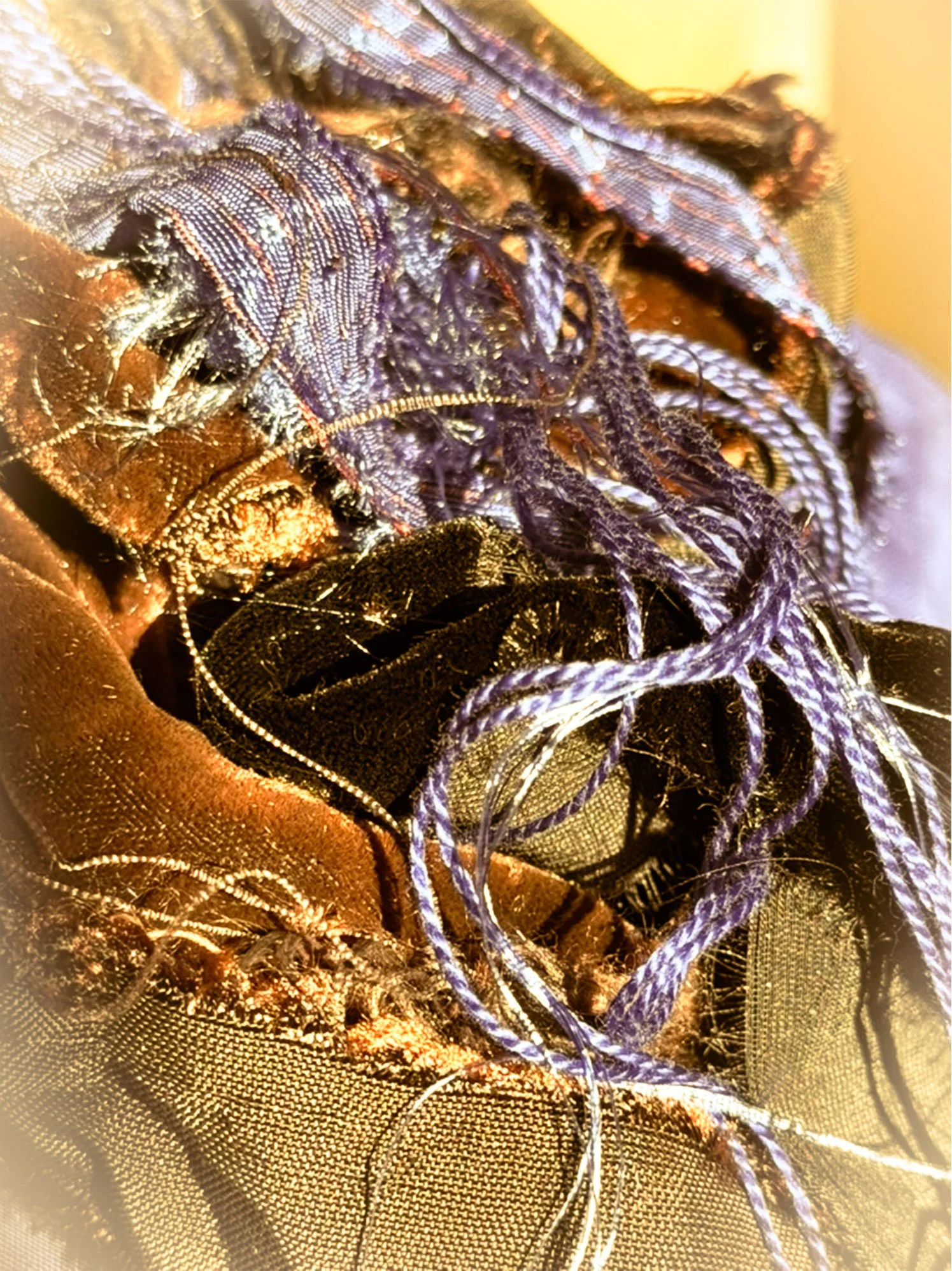
To understand oneself as a “substantial uncertainty”, as an ambiguous stimulus, is to feel oneself disambiguated in the eyes of another; to feel their perceptual shift that places you in a particular category that you know is incorrect or only partially correct. And then you’re left to wonder which corresponding expectations, obligations, and assumptions have also been assigned. It is to feel yourself robbed of your wholeness over and over again while the other person doesn’t even realize what they’ve taken. You have exchanged the integrity of your very being for their fleeting sense of comfort. But the part that hurts the most is that neither of you had a choice in the exchange.
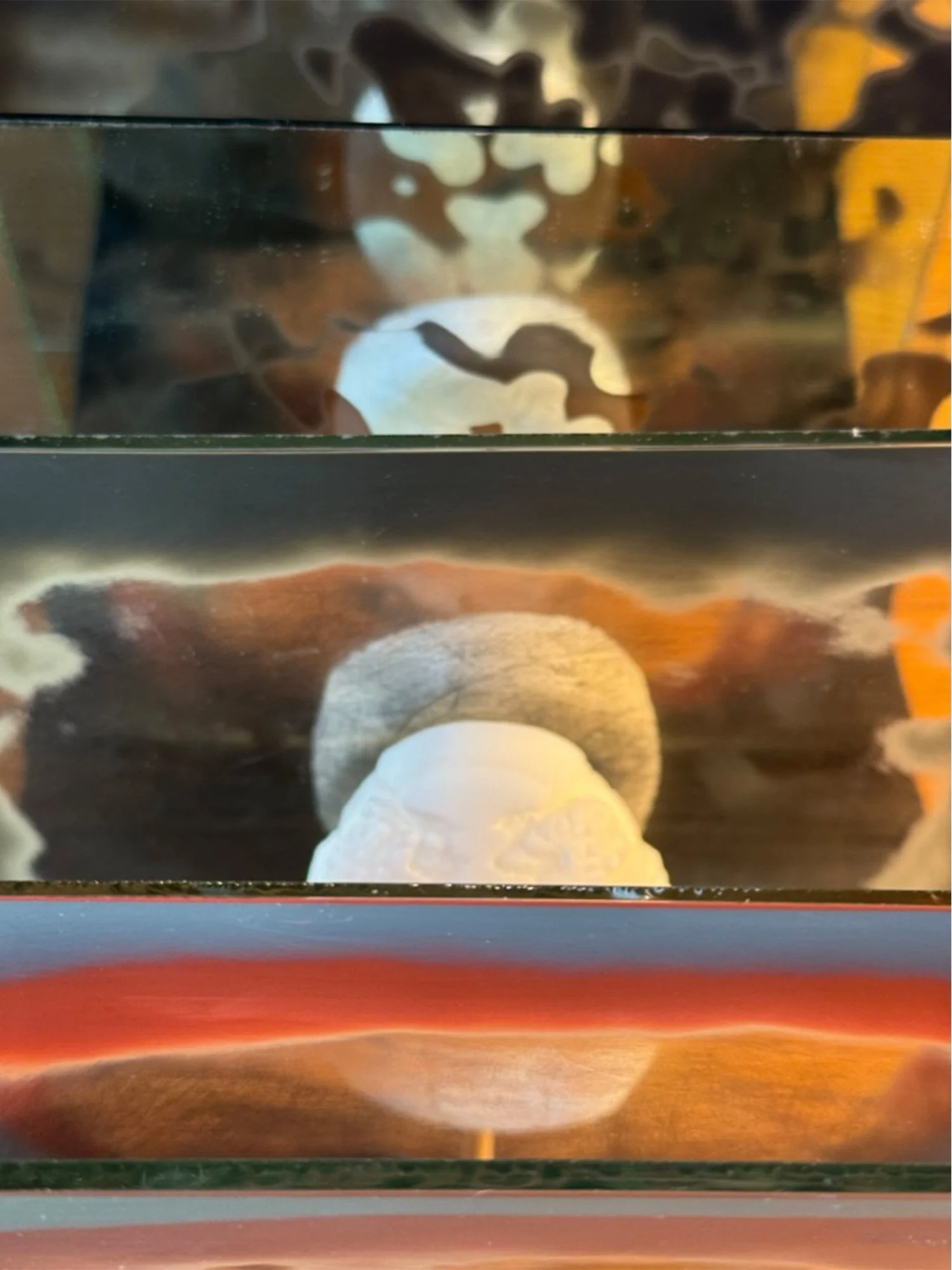
Subtractive soap sculpture viewed through multiple lenses and mirrors. The knife that cuts reinforces the lens through which we see and reflects our own views back to us.
According to complex systems theory, biological systems use a number of strategies to adapt and survive. One of these strategies can be described as course-graining (Flack, 2017). Course-graining is a process of removing noise from a system to get a clearer causal picture. This allows for decisive action. In short, an organism, whether a single cell bacterium or a primate, needs to sense its environment and then make sense of that information in a way that allows it to respond. Learning from prior experiences empowers an organism to make informed choices that give it better odds of survival. Course-graining happens at the cellular level but can also happen at the level of multicellular organisms, and even at the population level. It enables downward causation from larger, complex levels of organization to lower, simpler ones. Examples include the way your decision to exercise more regularly changes your cells and muscle tissue (Noble et al., 2019).
In a hierarchical social structure, this translates to a form of collective computation allowing groups to make decisions (Flack, 2017). Our larger corporate and governmental institutions use this strategy all the time; a person is only recognizable to the system through a series of categorizations that remove noise and place them into clear categories. A person becomes recognizable by checking boxes, filling in text fields, and selecting from drop-down menus. This approach has obvious benefits; it creates standards, protections, and constraints that permit actions to be taken such as hiring decisions or allocation of funds. Unfortunately, though, it also strips much of the nuance and specificity from individual participants. Most people do not fit neatly into all of the categories they are forced to choose from. There’s usually something that gets lost in that forced decision.
For example, at an internship site, a medical hospital, the onboarding process had difficulty recognizing certain aspects of my biology (see Systems of Resilience Part II: Evidence). That system was eventually, with much work on my part, able to recognize and accommodate me. However, at another internship site under a different healthcare system, the first major category decision was between “volunteer” and “medical intern”. Neither of these are really the right fit for an art therapy and counseling internship. The system decided to bucket me into the “medical intern” category since I would be earning academic credits through the program. The next categorical choice within “medical intern” was a drop-down menu that forced me to identify as either an “occupational therapy intern” or “nursing student”. Neither of these options make sense for my degree program or area of practice. The corresponding expectations, obligations, and assumptions assigned to me based on this course-grained definition of my role drew out the onboarding process for nearly 2 months and eventually had to be abandoned as I was nearly halfway into the semester. In this case, the system had failed to recognize and accommodate the category of my profession. Now imagine the stakes for disclosing social categories that carry much more personal and legal risk than “art therapy intern”.
Arguably, large institutions don’t know how to meet us in the fullness of our humanity. They first encounter us through a framework of flattened abstractions. In order to get through the filter and gain access, we’re forced to comply and make of ourselves a treacherous image. This type of course-graining provides standards and protections but also discounts potential solutions and benefits at the same time. It not only reduces opportunities for an individual trying to enter the system but also dismisses the unique benefits that individual may be able to contribute.
Additionally, course-graining contains some very real biases within its process; it will always preference traits and phenomena that are easy to quantify and measure. And given the economic structures these institutions must operate within, there is the additional bias toward what is profitable to measure. Philosopher of games C.Thi Nguyen (2026) defines this bias using the term “value capture” to describe how individuals and institutions can become preoccupied with a particular metric that becomes abstracted from the thing they were designed to measure in the first place.
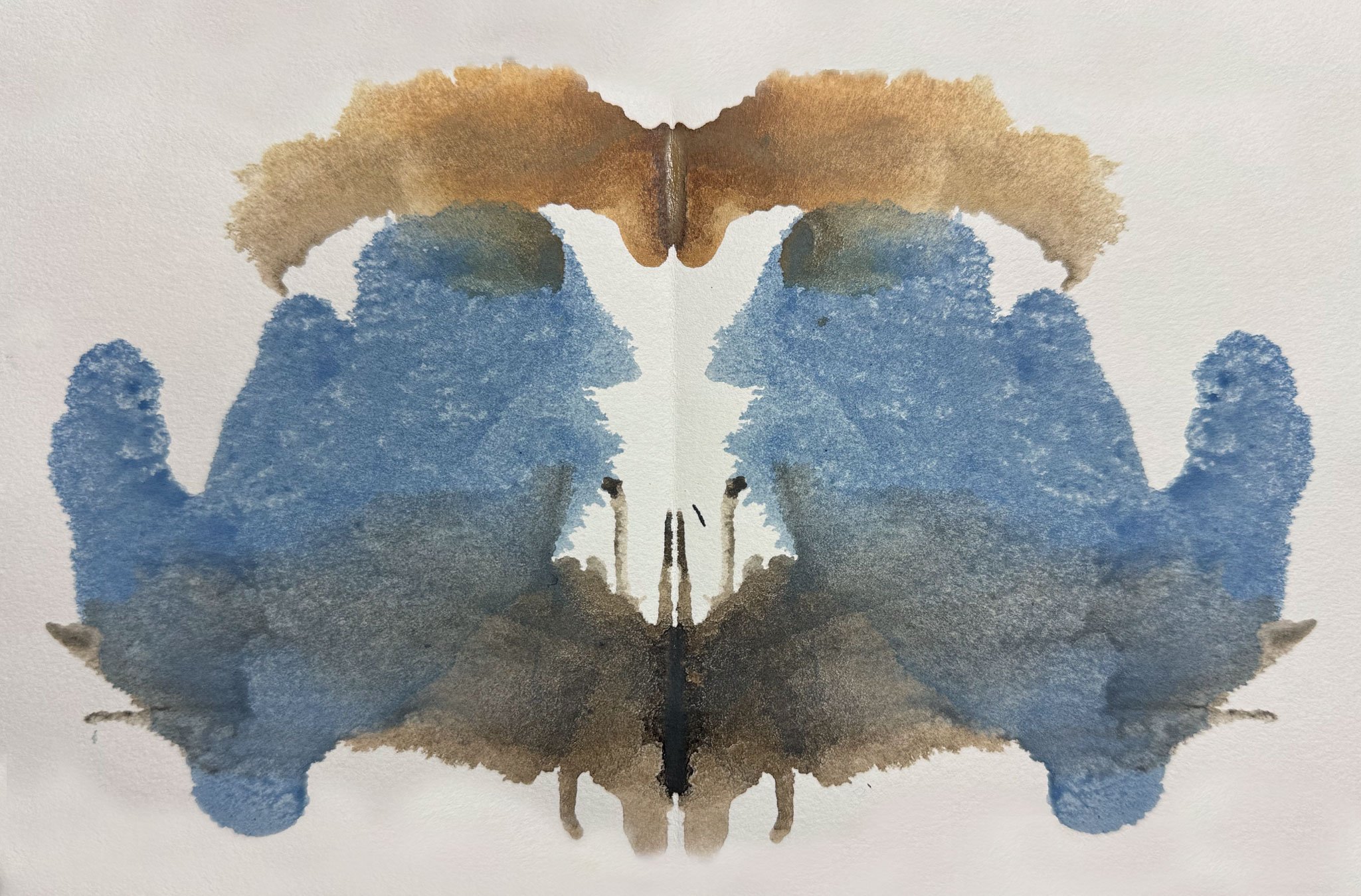
Re-ambiguation 1 , ink blot using the colors of the dress as it appears to me.
What would it be like to re-ambiguate our understanding of each other? What might happen if the process were a more consensual and mutually beneficial negotiation? What if we encountered each other more fully instead of as treacherous abstractions?
A reamibiguating of our world view would require a dramatic opening of our sensory gating; an overexposure that let’s in more light than we can immediately process. To sit with the discomfort of a hazy field of vision long enough to have the wisdom of where and when to sharpen the focus and zoom in. To understand that clarity can allow us to take informed actions, but that clarity without wisdom can also be a knife that carves away the wrong material to make someone else fit your preferred shape. And that knife, in each of us, was sharpened by prior experiences; with each cut, the knife becomes sharper and reinforces its own violence as natural and just.
Can SURFPAD be negotiated with and teased apart? While suspended in a state of substantial uncertainty, is it possible to un-fork our priors? Instead of using our attention as a knife that subtracts and discards loose ends, perhaps we could hold our attention in a state of tension; the central thread around which other threads can loosely weave or unweave.

Re-ambiguation 2, magazine collage taking things out of context
In response to the rationalism that had led to the mechanized horrors of a world war, surrealist artists (such as Magritte), often played games with the very notion of an objective reality. They pulled imagery seemingly at random and remixed it into new dreamscapes and nonsensical narratives. Piles of printed materials and everyday objects were decontextualized into combinations evoking responses of confusion, revulsion, or delight. Their paintings and sculptures put loaves of bread in the sky, fish and lightbulbs in place of human heads; it was extravagant feast of visual re-ambiguation.
Perhaps the only authentic response to structural violence is the prolific creation of unsanctioned art.
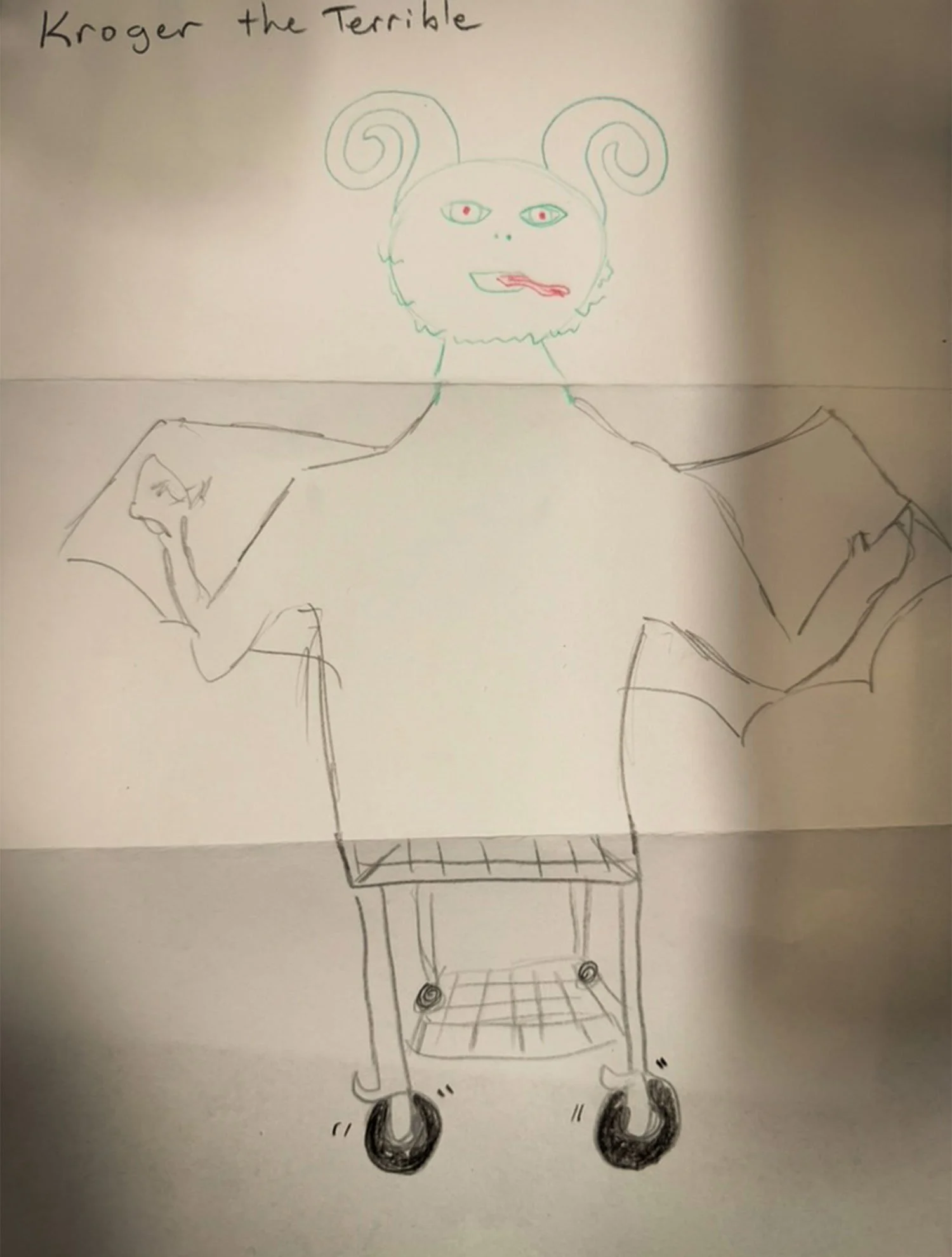
A result of art therapy interns playing Exquisite Corpse in a hospital basement, just down the hall from the morgue. Sometimes the most radical act of agency is to collectively make “bad” art.
Exquisite Corpse:
1. Fold a sheet of plain paper into thirds. Draw a head on the top third and then extend the lines of the neck onto the middle third. Refold the paper to cover your image and pass it to a friend.
2. The friend draws a torso starting with the neck lines you gave them. That friend extends the bottom lines into bottom third, refolds the paper to conceal what’s been created so far and passes to a third friend.
3. The third friend draws legs.
4. The paper is unfolded to reveal the creature you have created together. The exquisite corpse comes to life through the magic of stigmergy!
References
Colloca, L. (2024). The nocebo effect. Annual Review of Pharmacology and Taxicology, 64(1), 171-190. https://www.annualreviews.org/content/journals/10.1146/annurev-pharmtox-022723-112425
Evers, A. W. M., Colloca, L., Blease, C., Annoni, M., Atlas, L. Y., Benedetti, F., Buchel, C., Carvalho, C., Colagiuri, B., Crum, A. J., Enck, P., Gaab, J., Geers, A. L., Howick, J., Jensen, K. B., Kirsch, I., Meissner, K., Napadow, V., Peerdeman, K. J., Raz, A., Wiech, K., Kaptchuk, T. J., Klinger, R., & Kelley, J. M. (2018). Implications of placebo and nocebo effects for clinical practice: Expert consensus. Psychotherapy and Psychosomatics, 87(4), 204-210. DOI:101159/000490354
Flack, J. (2017). Course-graining as a downward causation mechanism. Philosophical Transactions of the Royal Society, 375(2109), 20160338. DOI: 10.1098/rsta.2016.0338
Magritte, R. (1929). La trahison des images (Ceci n’est pas une pipe). Los Angeles County Museum of Art.
McRaney, D. (2022). How minds change: The new science of belief, opinion, and persuasion. Oneworld Publications.
Noble, R., Tasaki, K., Noble, P. J., & Noble, D. (2019). Biological relativity requires circular causality but not symmetry of causation: So, where, what and when are the boundaries? Frontiers in Physiology, 10, 827. DOI: 10.3389/fphys.2019.00827
Nguyen, C. T. (2026). The Score: How to stop playing somebody else’s game. Penguin Press.
Pilcher, H. (2026). This book may cause side effects: Why our minds are making us sick. Atlantic Books.
Wallisch, P. (2017). Illumination assumptions account for individual differences in the perceptual interpretation of a profoundly ambiguous stimulus in the color domain: “The dress”. Journal of Vision, 17(4), 1-14. DOI:10.1167/17.4.5.
YANSS episodes referenced: